Mental Health & Addiction Treatment Therapy Programs
At Newton Recovery Center, therapy is an important part of treating both substance use and mental health concerns. Our mental health & addiction treatment therapy programs bring together evidence-based clinical methods and holistic therapies based on each client’s needs and goals.
Rather than taking a one-size-fits-all approach, our team considers the challenges you are facing, your history, and how you are functioning in daily life when developing your treatment plan. The result is care that addresses not only the symptoms you are experiencing, but also the thoughts, behaviors, relationships, and experiences that may be contributing to them.
Therapy for Mental Health and Addiction
Mental health concerns can affect how you think, feel, behave, and respond to everyday challenges. Depression, anxiety, trauma, and other conditions may make it harder to manage stress or maintain relationships and responsibilities. Therapy provides a place to understand these experiences, recognize patterns that may be keeping you stuck, and develop healthier ways to respond to difficult emotions. At Newton Recovery Center, clinical therapy addresses the concerns affecting your well-being while helping you build skills that can carry into daily life.
For some people, alcohol or drug use becomes a way of coping with those difficulties. However, substance use can create problems of its own, affecting relationships, work, physical health, and emotional well-being. Addiction therapy can help you look at what surrounds your substance use, identify triggers and cravings, and explore different ways of handling situations that once led you to use. Addressing these patterns can be an important part of moving toward lasting recovery.
When mental health concerns and substance use occur together, they are known as co-occurring disorders or a dual diagnosis. The CDC reports that approximately 21.2 million U.S. adults experienced both a mental health condition and a substance use disorder in 2024. Treating both concerns together can help clinicians understand the full picture and set clients up for the best recovery outcomes.

Our Evidence-Based Therapy Programs
Therapy can look different from one person to the next because the reasons people enter treatment are rarely the same. Some clients may need to work through trauma or longstanding emotional pain, while others may be focused on changing patterns of substance use, managing intense emotions, or improving relationships. Newton Recovery Center offers several therapeutic approaches so clients can work on the concerns that brought them to treatment while developing practical skills for everyday life.
Cognitive Behavioral Therapy
Cognitive behavioral therapy (CBT) focuses on the relationship between thoughts, emotions, and behaviors. During CBT, you may examine assumptions or thought patterns that contribute to substance use, anxiety, depression, or other difficulties. Therapy can then help you challenge unhelpful thinking and consider different responses when familiar situations arise.
Dialectical Behavior Therapy
Dialectical behavior therapy (DBT) teaches practical skills for managing strong emotions and difficult circumstances. It can be especially useful when impulsive behaviors, relationship conflict, or emotional distress have played a role in substance use. DBT may focus on areas such as distress tolerance, emotional regulation, mindfulness, and communication.
Acceptance and Commitment Therapy
Acceptance and commitment therapy (ACT) takes a different approach to uncomfortable thoughts and emotions. Instead of spending all of your energy trying to eliminate distress, you can learn to notice what is happening internally and choose how you want to respond. ACT also explores personal values, helping you make decisions that move your life in a direction that matters to you.
Trauma Therapy
Trauma can affect the way a person views themselves, relationships, safety, and the world around them. Trauma therapy provides a place to explore these experiences carefully while developing healthier ways of responding to their effects. When trauma and substance use occur together, addressing the underlying experiences can be an important part of understanding why alcohol or drugs became a way of coping.
Individual Therapy
Individual therapy gives you private time with a clinician to discuss experiences that may be difficult to address in a group setting. Sessions may focus on substance use, mental health symptoms, relationships, past experiences, current stressors, or goals for the future. Because the conversation is centered on your circumstances, your therapist can help you work through concerns that may not come up elsewhere in treatment.
Group Therapy
Group therapy offers a different kind of therapeutic experience. Talking with others who are working through their own challenges can reduce the sense that you have to figure everything out alone. Groups may provide opportunities to discuss common struggles, learn from different perspectives, practice communication skills, and receive feedback in a setting led by a trained clinician.
Family Therapy
Substance use and mental health concerns can wreak havoc on an entire family. Family therapy can help address communication problems, unresolved conflict, boundaries, and patterns that may have developed over time. When appropriate, loved ones can also learn more about addiction and mental health so they can better understand what recovery involves and how they can participate in the process.
Holistic Therapies
In our mental health & addiction treatment therapy programs, we also incorporate holistic therapies that complement clinical treatment and give clients additional ways to care for their emotional and physical health. Depending on the program and treatment plan, these may include music therapy, yoga, Reiki, movement therapy, acupuncture, fitness and nutrition, meditation, art therapy, and adventure therapy. These approaches can provide opportunities for self-expression, relaxation, physical activity, mindfulness, and healthy experiences outside of traditional talk therapy.
How We Personalize Therapy
No two people arrive at treatment with exactly the same circumstances. Your therapy plan may take into account your substance use, mental health symptoms, personal history, relationships, strengths, and goals. Your clinicians can adjust therapeutic approaches as your needs change, combining individual, group, family, evidence-based, and holistic services when appropriate. This allows therapy to remain relevant to what you are actually working through rather than following a predetermined script.
Therapy Across Our Levels of Care
Therapy is incorporated throughout Newton Recovery Center’s levels of care, with the frequency and combination of services changing according to the intensity of the program.
Our programs are as follows:
- Day Treatment: Our most comprehensive program, day treatment (also known as a PHP), provides frequent therapeutic care for clients who need a more immersive treatment experience while returning home or to transitional housing outside of program hours.
- Intensive Outpatient Program (IOP): When in IOP, clients participate in several treatment sessions each week. During this time, they live at home and maintain some level of personal and professional obligations.
- Outpatient Treatment: Traditional outpatient services provide ongoing therapy and other clinical services for clients who need a less intensive level of care or are transitioning from a higher level of treatment. It allows them to apply skills they learn in therapy throughout their day-to-day routine.
Learn More About Our Mental Health & Addiction Treatment Therapy Programs
You deserve the opportunity to feel better, understand yourself more deeply, and move forward from the patterns that may be holding you back. Therapy can be more than a way to manage symptoms. It can open the door to personal development, healthier relationships, greater self-awareness, and lasting transformation. Newton Recovery Center is here to help you explore our mental health & addiction treatment therapy programs, find an approach that fits your needs, and take the next step toward the life you want to build. Call our team at 617-830-9005 to learn more, verify your insurance benefits, or schedule a free assessment today.
Addiction Specialists
Meet Our Team
Our licensed clinicians, counselors, and medical providers bring years of experience in addiction and mental health treatment, and they’re here to support you at every step of your care in Newton.
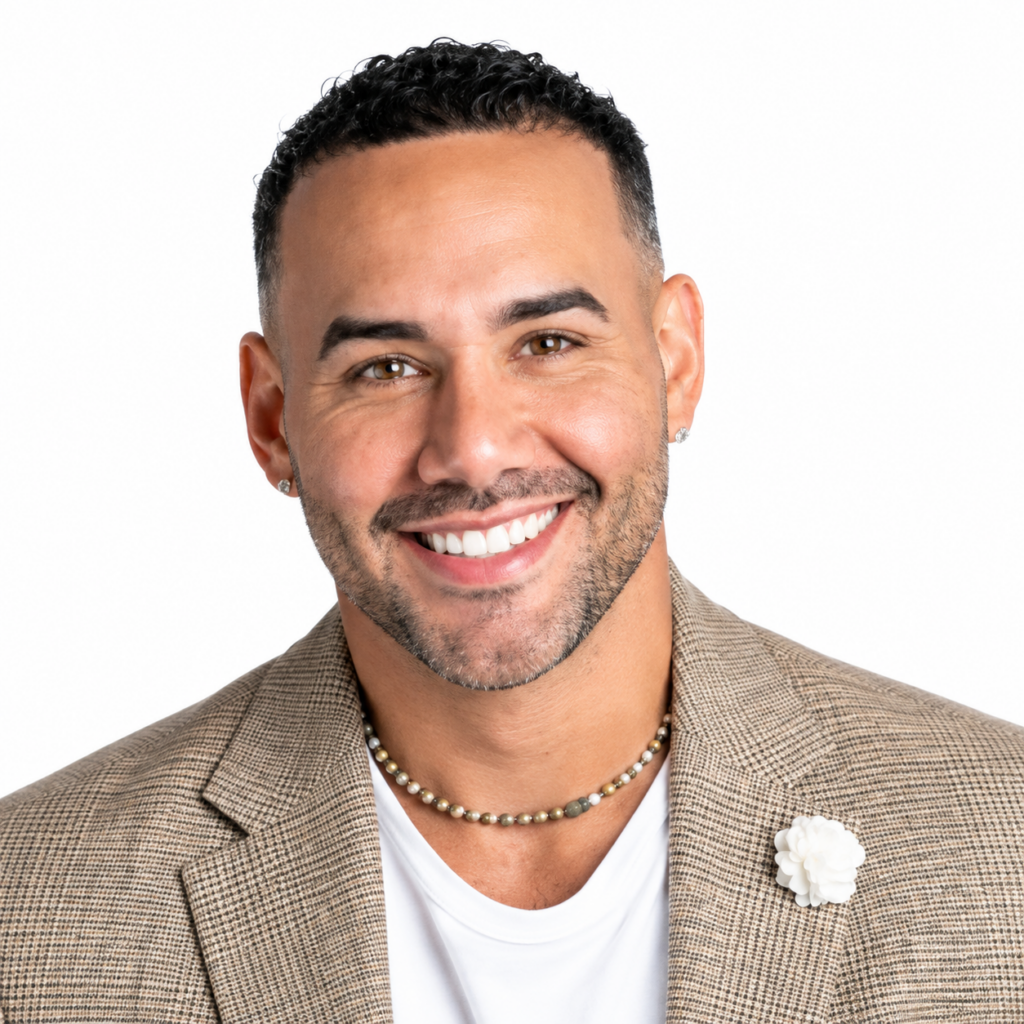
Michael Leggiero
Co-Founder

Pamela Sullivan, LADC
Clinician

Casey Burke, LADC-II, CADC, BBA
Program Director

Jessie Beaton, LMHC
Clinical Director
Insurance Accepted at Newton Recovery Center
Newton Recovery Center works with many major insurance plans, including Aetna, TRICARE, Carelon, Magellan, and Blue Cross Blue Shield. Our admissions team will verify your benefits for free and walk you through your coverage before you start.








Frequently Asked Questions
What Types of Therapy Does Newton Recovery Center Offer?
Newton Recovery Center offers evidence-based therapies including cognitive behavioral therapy (CBT), dialectical behavior therapy (DBT), acceptance and commitment therapy (ACT), and trauma therapy. Treatment may also include individual, group, family, and holistic therapies.
Can Therapy Address Mental Health and Substance Use at the Same Time?
Yes. Mental health concerns and substance use can occur together and may influence one another. Dual diagnosis treatment can address both concerns as part of the same overall plan.
How Does Group Therapy Support Recovery?
Group therapy gives clients a chance to discuss challenges with others in a clinician-led setting. It can help participants practice communication, learn from different perspectives, and recognize that others may be working through similar experiences.
What Are Holistic Therapies?
Holistic therapies complement traditional clinical treatment by addressing all aspects of their well-being. Examples offered through Newton Recovery Center may include yoga, meditation, music therapy, art therapy, acupuncture, Reiki, movement therapy, fitness and nutrition, and adventure therapy.
How Does Therapy Help With Addiction?
Therapy can help you understand and address the thoughts, emotions, behaviors, and circumstances connected to substance use. It can also teach practical skills for managing cravings, difficult emotions, relationships, stress, and situations that may increase the risk of returning to substance use.
Will I Receive Individual Therapy During Treatment?
Individual therapy is available as part of treatment at Newton Recovery Center. The frequency and type of individual sessions depend on your level of care and treatment needs.
Can My Family Participate in Treatment?
Family involvement may be incorporated into treatment when appropriate. Family therapy can provide an opportunity to work through communication, relationships, boundaries, and other concerns that may affect recovery.
Our Reviews
What Our Clients Say

 Micole Rubinson
Trustindex verifies that the original source of the review is Google.
The people here are so caring, they attend to each patients needs immediately and with a smile. They truly care about each patient. The staff knows every patients name which made me feel comfortable and at home right away. All of my needs were met here anytime I needed anything. It was taken care of right away. The atmosphere is very upbeat and positive. The rooms are very clean and well taken care of and the grounds are beautiful! I would recommend this facility very highly!!! Michael OatesEnjoyed my time here at the recovery team great food staff is wonderful and H&I gets better every night if I had to do it all over again this would be the place I prefer hand down
 Logan BealThis place was an amazing time I was here for two weeks, the only complaint I have is that dinner was not very good, breakfast and lunch was typically amazing. They have their own food truck, mental health groups were small sizes and personalized to your needs.
 Geoff OkpychI never been to rehab before and everything has been positive and I’ve got the care I needed and I feel good about when I am back out into the real world to keep my sober journey going
 Michael P MecheA special thanks to the entire experience at TRT & The Haven! Thank You from my bottom of my heart!
 Joseph RowlandI enjoyed my experience. There were multiple therapies offered which proved to be helpful for transition and the staff were very attentive.
 Jevon DaurbignyThe Recovery Team (TRT) is a great place overall. It is what you make of it. You put in the work the place will put back into you. Patience is a key to success at TRT. Lean on the staff. They will go out their way their way for you if you go out the way for yourself. Be sure to make sure you get everything in writing from admissions. Admissions will over sale. But when you walk into the place it will take some adjustments but it can feel like home. Good luck to you in your recovery.
 Kathy 1TRT has been a great experience. The Client care and techs have been a great daily support. My therapist provided me great insight and has encouraged me to continue my work.
 Evan LehouillierI am leaving Monday June 8th. My experience has been great. From case management, to the therapist down to client care. Follow the program and succeed with your sobriety. I have all the tools I need to continue my success for years to come. Thank you to the whole Recovery Team. Stay gravy guys😎🤙
 Alexander WilloughbyThe Recovery Team has truly changed my life. I had a wonderful experience here, with the community they help build, and the staff that do their best to help however they can. I would recommend this place to anyone struggling mentally to come and check the place out!