Kratom Addiction Treatment in Newton, MA
Maybe you started using kratom for a specific reason and gradually found that stopping or cutting back became difficult.
Maybe you started using kratom for a specific reason and gradually found that stopping or cutting back became difficult. If you’re looking for kratom addiction treatment, an assessment can clarify what kind of care you need. Newton Recovery Center provides outpatient substance use care in Newton, Massachusetts, serving adults from the greater Boston area.
Call 617-830-9005 to arrange a confidential assessment and ask whether our services are appropriate for your kratom-related concerns.
Ready to talk? Call 617-830-9005 to arrange a confidential assessment and discuss your treatment options.
What Kratom Is and Why Stopping Can Be Difficult
Kratom comes from a tree native to Southeast Asia. Compounds in its leaves interact with opioid receptors in the brain, and people report both stimulating and sedating effects. Some people use it to try to manage pain or opioid withdrawal. Others begin using it for energy or emotional discomfort. These reasons for starting are important to discuss during an assessment.
With regular use, some people develop physical dependence, meaning their body adapts and symptoms appear when they reduce or stop. Taking more kratom to avoid feeling unwell can make stopping difficult. Addiction involves a broader pattern of difficulty controlling use despite harmful consequences. A clinician can assess dependence and the effect kratom is having on your life.
Signs of Kratom Dependence
You might notice that your routine increasingly revolves around taking kratom or making sure you have enough available.
Some changes worth discussing with a clinician include:
- You need more to get an effect you previously experienced with less.
- You feel unwell when you miss a usual dose.
- Cravings make it difficult to focus on other things.
- You repeatedly use more or for longer than you intended.
- Attempts to cut back end with returning to your previous pattern.
- You continue using despite concerns about your health or responsibilities.
These observations are a starting point for a conversation. Dependence and problematic use require an individual assessment, including what product you use and how often you take it. You can seek help even if you are unsure whether the word addiction describes your experience.
Kratom Withdrawal (What People Report)
Some people who reduce or stop regular kratom use report muscle aches, sweating, stomach upset, or diarrhea. Anxiety, restlessness, difficulty sleeping, and cravings may also occur. Symptoms vary, and research on kratom withdrawal remains limited. A timeline found online cannot predict how stopping will feel for you.
Talk with a licensed clinician before trying to manage withdrawal on your own. Your health history and use of other substances affect what care may be appropriate. A clinician can assess symptoms and determine whether medical monitoring is needed. If symptoms are severe or you cannot keep fluids down, seek prompt medical attention. For trouble breathing, a seizure, or loss of consciousness, call 911.
Need immediate support? If you are experiencing suicidal thoughts or emotional distress, call 988 or text 988 to reach the 988 Suicide & Crisis Lifeline. If you are in immediate danger or have a medical emergency, call 911. You do not need to wait for an appointment.
How We Start: A Confidential Assessment
A licensed clinician will ask about your kratom use and what happens when you take less or miss a dose. Describe the product, how much you take, and how frequently you use it. A photo of the packaging or label can make that conversation more specific. Explain what led you to start and what has made stopping difficult.
The assessment also considers medications and supplements, other substance use, and physical health. Tell the clinician about anxiety or low mood, including symptoms you were trying to manage with kratom. Your goals and past treatment experiences matter too. This conversation helps determine whether Newton Recovery Center’s services fit your needs or whether a different setting is necessary.
Levels of Outpatient Care
Newton Recovery Center offers day treatment/PHP, IOP, and outpatient substance use care. An assessment is needed to determine whether any of these programs is appropriate for your kratom-related concerns. Outpatient treatment requires that you can safely live outside the facility. Medical stabilization or more intensive supervision may need to come first.
| Level of care | What it is | May suit |
|---|---|---|
| Day Treatment / PHP | Intensive daytime clinical care; you return home afterward | Adults who need frequent treatment and can safely remain outside a residential setting |
| Intensive Outpatient Program (IOP) | Regular treatment with fewer hours than day treatment | An initial level of care or a transition from more intensive services; ask admissions about the actual schedule |
| Outpatient Treatment | Ongoing care with a smaller weekly time commitment | Adults who can manage more independently between appointments |
Day Treatment/PHP
Day treatment, also called a partial hospitalization program (PHP), provides intensive daytime clinical care while allowing you to return home afterward. It may be considered when you need frequent treatment and can safely remain outside a residential setting.
Intensive Outpatient Program
An intensive outpatient program (IOP) provides regular treatment with fewer hours than day treatment. It may be an initial level of care or a transition from more intensive services. Ask admissions about the actual schedule before making arrangements around work or family responsibilities.
Outpatient Treatment
Outpatient treatment offers ongoing care with a smaller weekly time commitment. It may be appropriate when you can manage more independently between appointments. Your clinician reviews whether the recommended level continues to match your needs over time.
Therapy and Clinical Support
Newton Recovery Center’s substance use services include individual and group therapy, with approaches such as cognitive behavioral therapy. If outpatient care is appropriate for you, the clinician will explain which services are available for your concerns. Therapy can address the circumstances surrounding substance use and the challenges that come up when you try to change it.
Cognitive Behavioral Therapy
Cognitive behavioral therapy (CBT) examines connections between thoughts and behavior. You might discuss the belief that you cannot manage a demanding workday without using a substance. Sessions can explore that assumption and what happens when stress builds. The approach is selected according to your needs rather than applied automatically.
Individual and Group Therapy
Individual sessions provide time for personal concerns, including the reasons you began using kratom. Group sessions offer opportunities to discuss shared difficulties and practice communicating with others. If mental health and substance use conditions occur together, ask about dual diagnosis care and how both concerns would be addressed.
Care for Newton and Boston-Area Residents
If you are exploring kratom rehab options near Boston, Newton Recovery Center is located at 233 Needham St, #203, Newton, MA 02464. The center serves adults from Newton and the greater Boston area through outpatient mental health and substance use programs.
Call 617-830-9005 to discuss whether the available services match your needs. Before your first visit, confirm arrival instructions and ask about parking or public transit access. Admissions can also explain attendance requirements so you can consider transportation alongside the recommended treatment schedule.
Insurance and Paying for Care
Before arranging care, ask about costs for the specific services recommended. Insurance benefits vary by policy, diagnosis, and level of care. Confirm the center’s network status with your insurer and ask whether prior authorization or a referral is required. Discuss how your plan handles the services being considered for kratom-related concerns.
A benefits check does not guarantee payment. Request an explanation of potential out-of-pocket responsibilities and ask how authorization limits could affect continued care. Admissions and your insurer can clarify the information you need before making arrangements.
Frequently Asked Questions
What Does Kratom Addiction Treatment at Newton Recovery Center Involve?
The first step is a confidential assessment with a licensed clinician to determine whether the center’s services are appropriate for you. If they are, the clinician will explain the recommended level of care and what your plan would involve.
Where Is Newton Recovery Center?
Newton Recovery Center is located at 233 Needham St, #203, Newton, MA 02464. We serve adults from Newton and the greater Boston area.
How Do I Get Started?
Call 617-830-9005 to arrange a confidential assessment and ask about care for kratom-related concerns. A clinician will discuss your use and health, then explain the next steps.
Can I Get Dependent on Kratom?
Some people who use kratom regularly report withdrawal symptoms and cravings when they reduce or stop. A licensed clinician can assess your situation and discuss appropriate next steps.
Should I Stop Kratom on My Own?
Talk with a licensed clinician first, because stopping can be uncomfortable and other health concerns may affect the care you need. For suicidal thoughts or emotional distress, call 988 or text 988; for immediate danger or a medical emergency, call 911.
What Should I Bring to My First Visit?
Ask admissions to confirm the documents needed for your appointment. Have a photo ID, your insurance card if you have one, and a list of medications and supplements available; a photo of your kratom product’s label may also be useful.
Discuss Kratom Addiction Treatment in Newton, MA
If kratom has become difficult to stop, you can begin by explaining what has been happening. An assessment can clarify your needs and whether the center’s outpatient services are appropriate. Call Newton Recovery Center at 617-830-9005 to arrange a confidential assessment and discuss kratom addiction treatment options for Newton and Boston-area adults.
Call 617-830-9005 to arrange a confidential assessment for kratom addiction treatment.
Sources
Drug Enforcement Administration. Kratom (Mitragyna speciosa), 2020.
Kratom use and dependence. PubMed Central (PMC10311168).
Kratom. StatPearls, NCBI Bookshelf (NBK585120).
988 Suicide & Crisis Lifeline.
This content is for educational purposes and is not a substitute for medical advice, diagnosis or treatment.
Start Kratom Addiction Treatment in Newton, MA
Addiction + Mental Health Specialists
Meet Our Team
Our licensed clinicians, counselors, and medical providers bring years of experience in addiction and mental health treatment, and they’re here to support you at every step of your care in Newton.
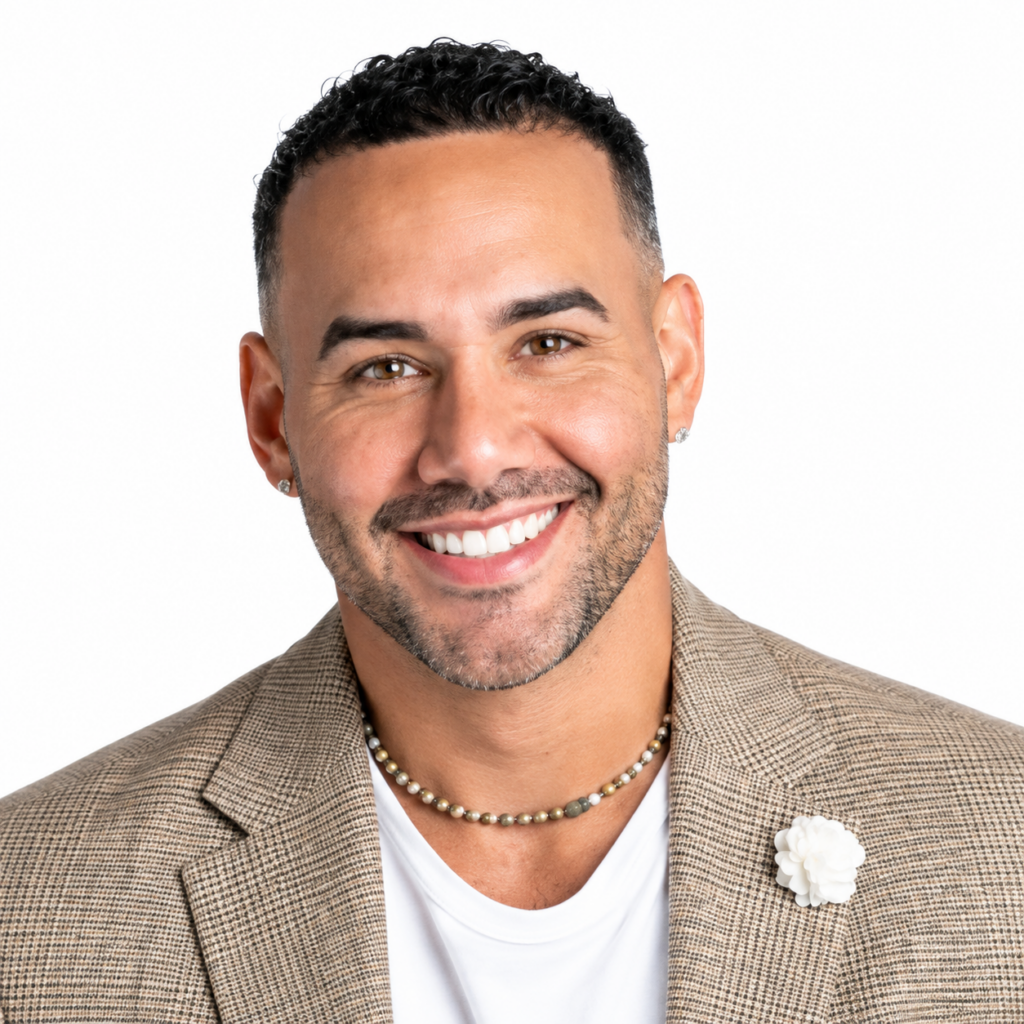
Michael Leggiero
Co-Founder

Michael Hurley
Executive Director & Co-Founder

Casey Burke, LADC-II, CADC, BBA
Program Director

Jessie Beaton, LMHC
Clinical Director
Insurance Accepted at Newton Recovery Center
Newton Recovery Center works with many major insurance plans, including Aetna, TRICARE, Carelon, Magellan, and Blue Cross Blue Shield. Our admissions team will verify your benefits for free and walk you through your coverage before you start.








Our Reviews
What Our Clients Say


 Trustindex verifies that the original source of the review is Google.
 Trustindex verifies that the original source of the review is Google.
 Trustindex verifies that the original source of the review is Google.
 Trustindex verifies that the original source of the review is Google.
 Trustindex verifies that the original source of the review is Google.
 Trustindex verifies that the original source of the review is Google.
 Trustindex verifies that the original source of the review is Google.
 Trustindex verifies that the original source of the review is Google.
 Trustindex verifies that the original source of the review is Google.
 Trustindex verifies that the original source of the review is Google.